




Surgical Assisting FAQ
FREQUENTLY ASKED QUESTIONS
| What is a Surgical First Assistant? |
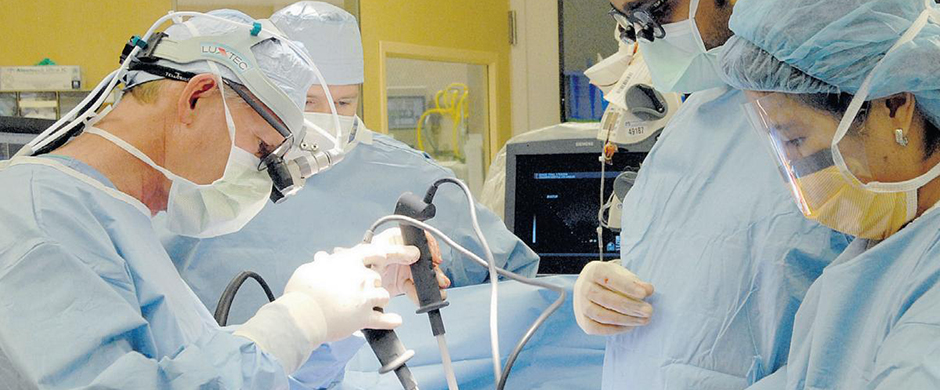
A: Surgical Assistants, or Surgical First Assistants, are allied healthcare providers who function under the direction of the surgeon. These highly skilled practitioners are integral members of the operation room team. |
| What credentials do Surgical First Assistants hold? |
A: The Surgical Assistant, or Surgical First Assistant, is a member of the operating room team and can be either a licensed physician (MD, DO, DPM, DDS) a medical/surgical resident, or a non-physician surgical assistant with either of the following credentials: Nurse Practitioner (NP), Physician Assistant (PA, PA-C), Registered Nurse First Assistant (RNFA, CRNFA), Certified Surgical First Assistant (CSFA, formerly CFA), Certified Surgical Assistant (CSA), or Surgical Assistant-Certified (SA-C). |
| Who are the members of the surgical team and what are their functions? |
A: Surgical team members function in two capacities-non-sterile and sterile. The non-sterile team members are the circulator and the anesthesia provider. In certain situations, other personnel such as the radiology technologist, medical device manufacturer/sales representative, or pathologist may also be presentCirculator: The circulator is a Registered Nurse, Licensed Practical or Vocational Nurse, or a Surgical Technologist. Anesthesia Provider: The anesthesia provider may be either a physician or a Certified Registered Nurse Anesthetist.Some of the anesthesia provider’s duties include: administering the anesthetic, monitoring the patient’s vital signs and providing any supportive measures during the surgical intervention. The sterile team members are the Surgical Technologist in the scrub role (STSR), the surgeon, and the Surgical First Assistant. Surgical Technologist: The Surgical Technologist functions in a sterile capacity during the surgical procedure, but also performs many non-sterile duties throughout the course of the workday. The main sterile functions of the surgical technologist are creating and maintaining the sterile field, entering the sterile field and assisting team members as they enter the sterile field, organizing the sterile instruments, equipment, and supplies for use. The Surgeons Performs the necessary procedure. The surgeon may be a Medical Doctor (MD), Doctor of Osteopathy (DO), Doctor of Podiatric Medicine (DPM), or a Doctor of Dental Science (DDS). Surgical First Assistant: The surgical first assistant may be a physician or non-physician. The duties of the first assistant include: assisting the surgeon by providing visualization of the surgical site through retraction of tissue, suctioning, and sponging, assisting with achieving hemostasis and suturing of body planes. |
| What type of training is required to become a Surgical First Assistant? |
A: The Commission on Accreditation of Allied Health Education Programs (CAAHEP) has established and published guidelines for the profession of surgical first assisting. Programs which meet these criteria are able to be reviewed by the Accreditation Review Council on Education in Surgical Technology and Surgical Assisting (ARC/STSA) and obtain accreditation body for allied health education programs. These programs typically last between 12 and 24 months and lead to a certificate of Completion, Technical Diploma, or Associate of Science degree. |